Discover the Great Pharaohs & Rulers of Ancient Egypt
The ancient Egyptian pharaohs ruled one of the world's longest-lasting ancient civilizations for nearly 3,000 years, from the unification of Upper and Lower Egypt around 3100 BC to the end of Ptolemaic rule in 30 BC. Ancient Egypt was governed by roughly 170 known or reconstructed kings and queens, traditionally organized into dynasties and major historical periods such as the Old Kingdom, Middle Kingdom and New Kingdom.
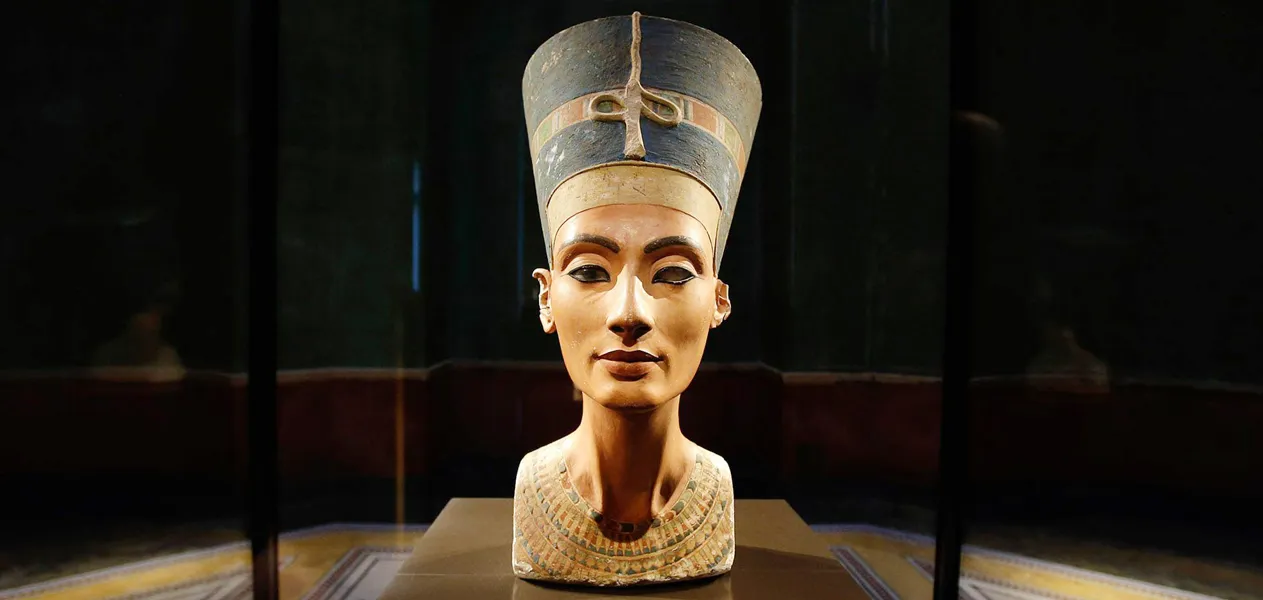
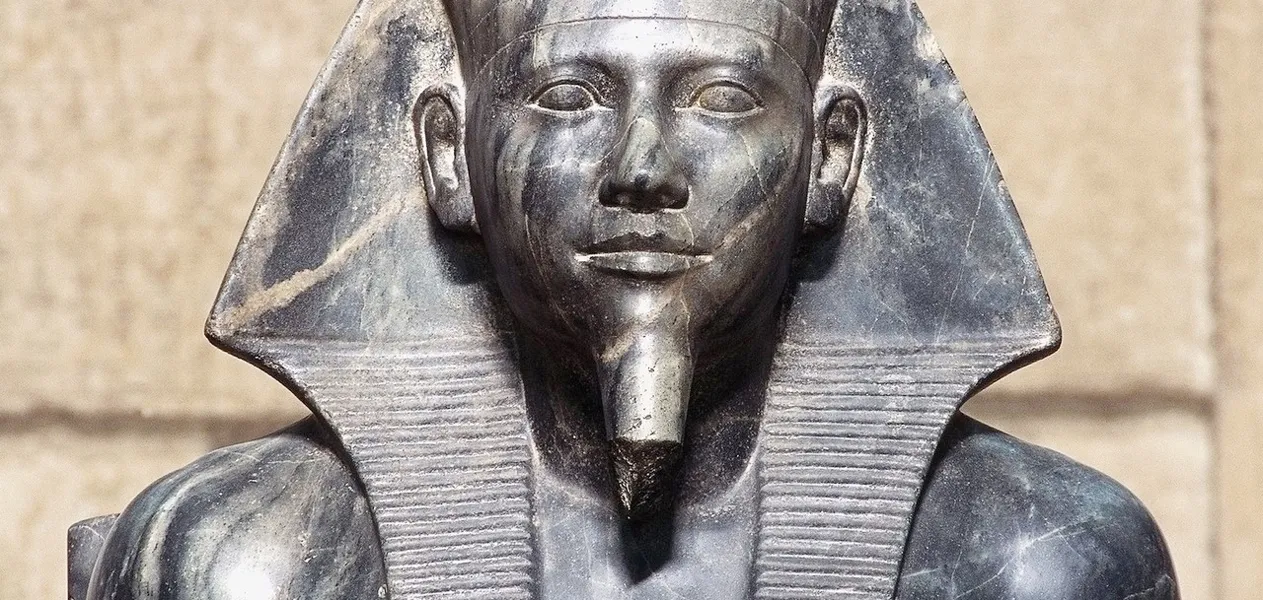
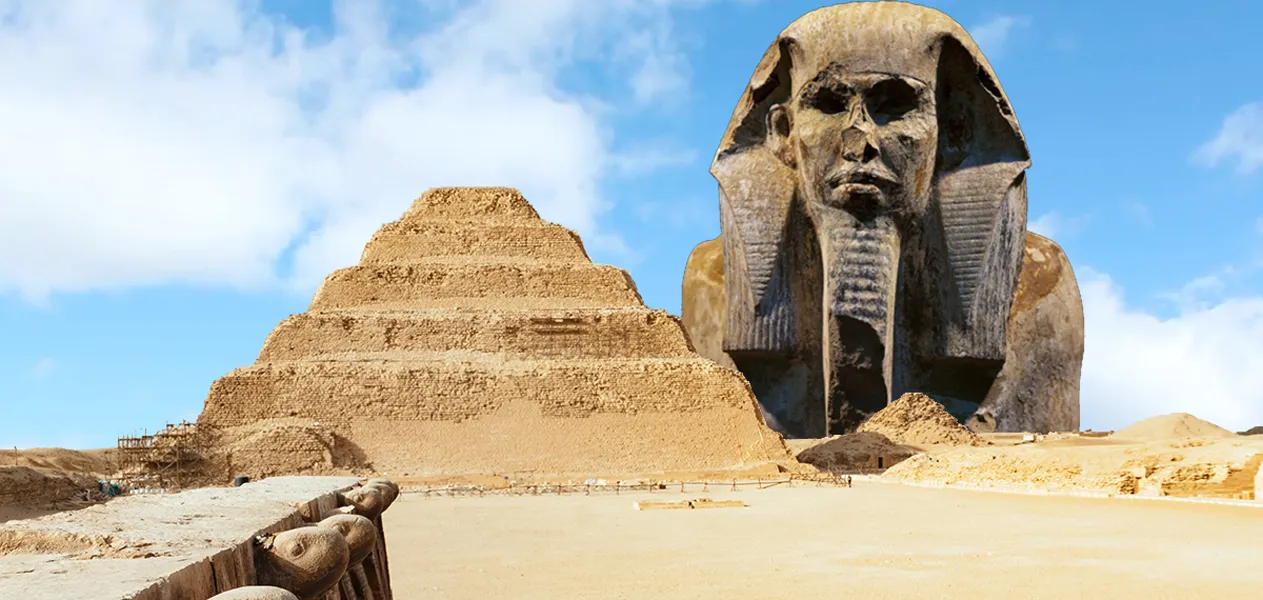
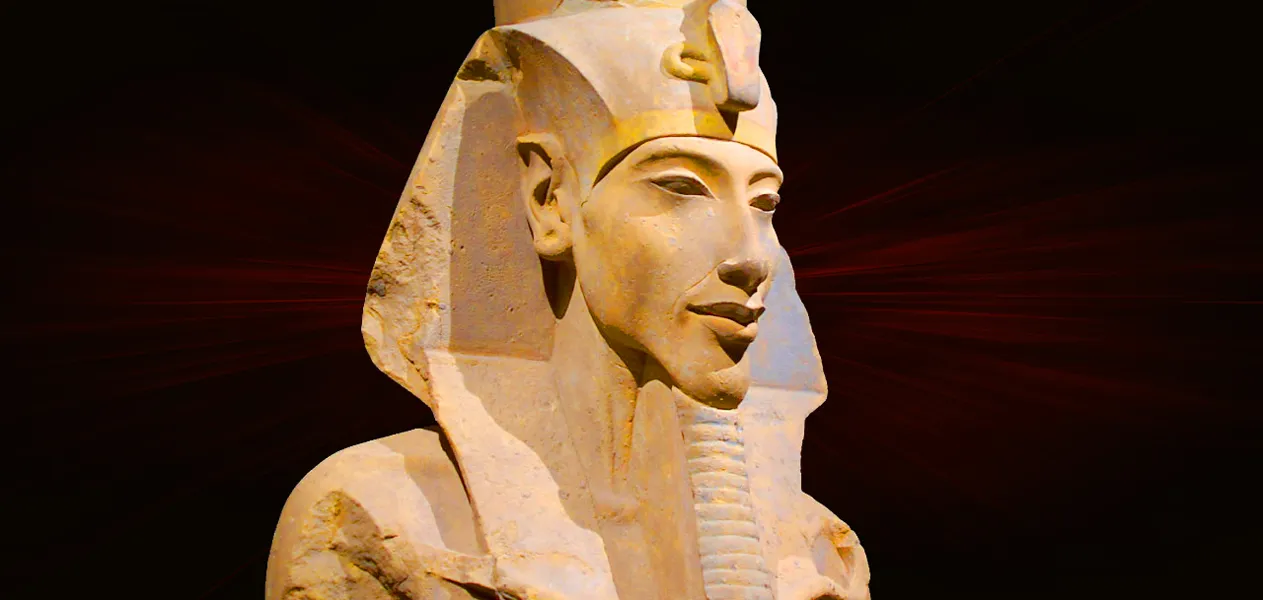
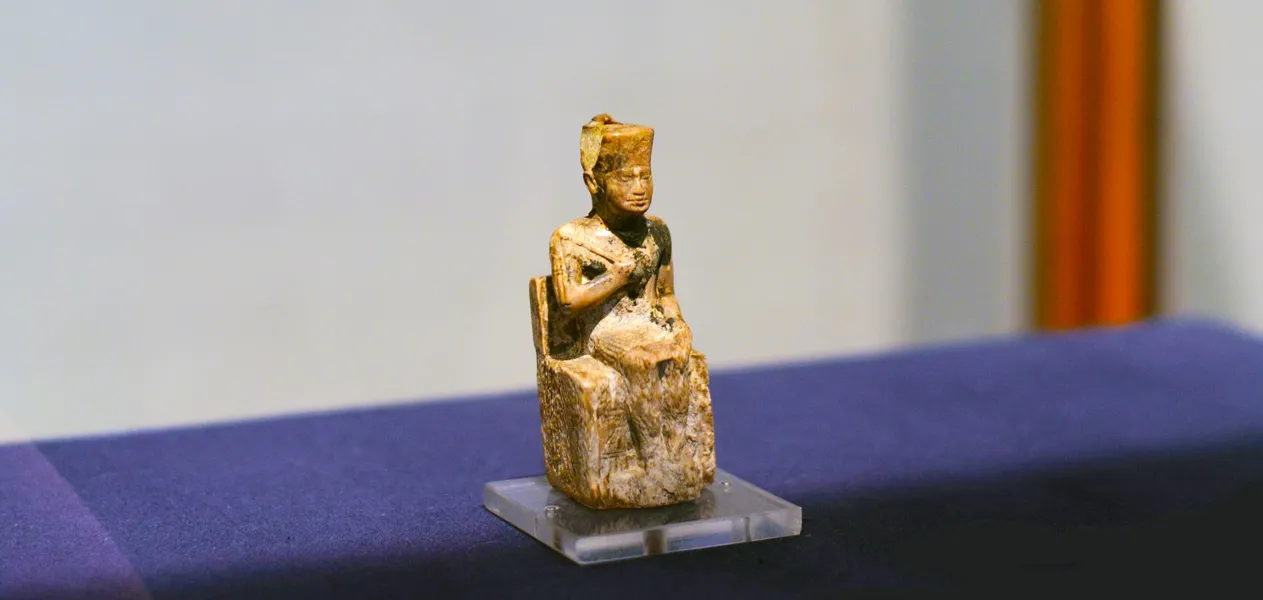
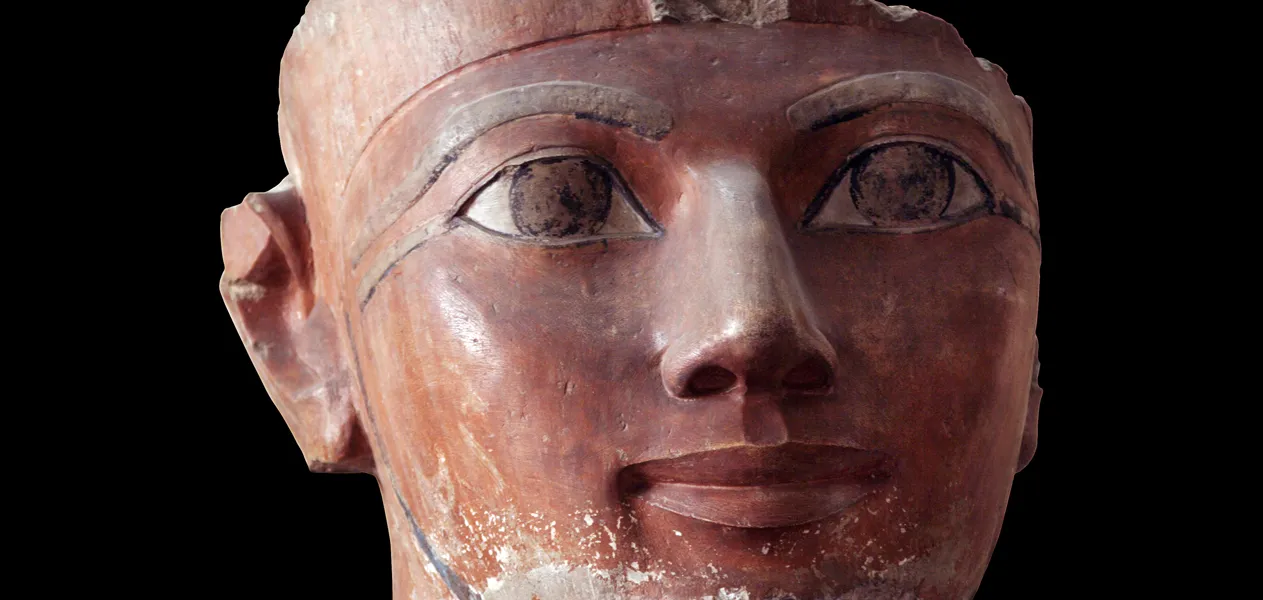
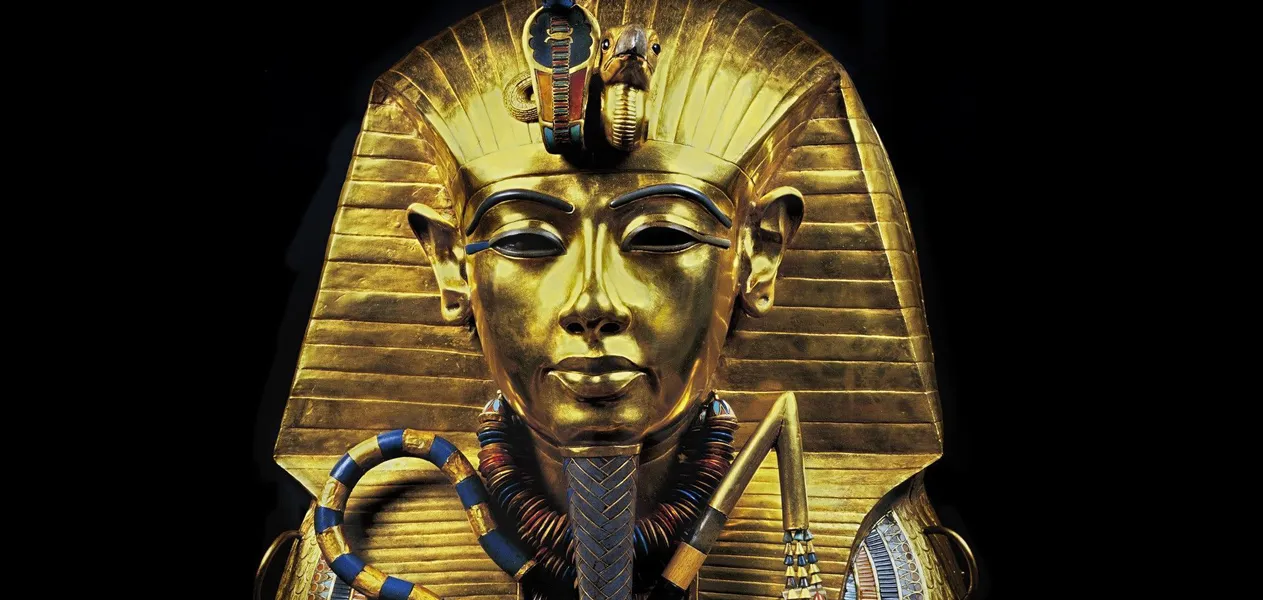
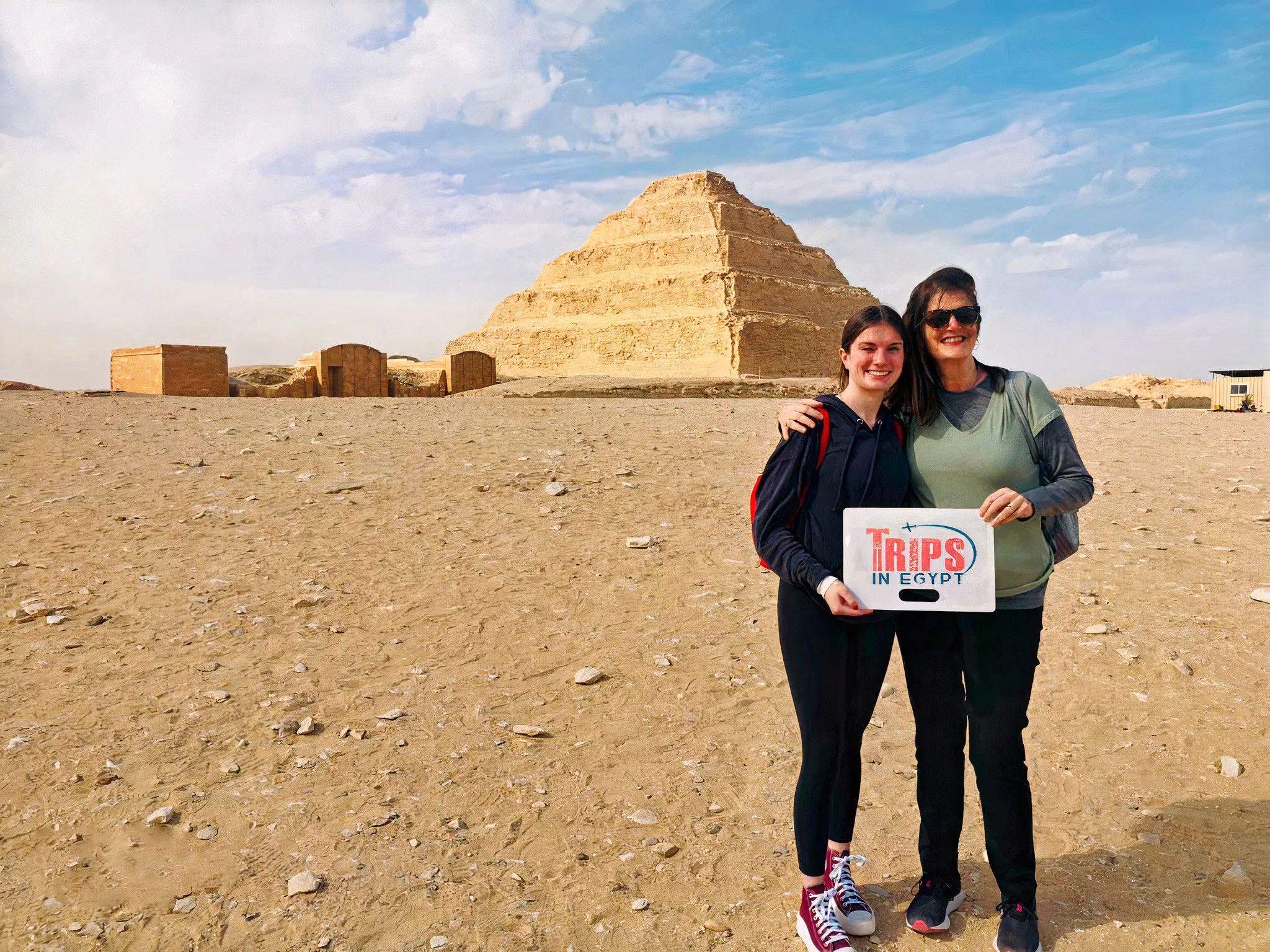
A pharaoh was far more than a political ruler. Egyptian kingship connected government, religion and military authority, and the ruler was expected to preserve Maat, the divine order of truth, justice and balance. Some pharaohs became famous for enormous monuments, such as Djoser, Khufu and Ramesses II. Others changed Egyptian religion and politics, including Akhenaten, Hatshepsut and Tutankhamun, while queens such as Nefertiti, Nefertari and Cleopatra VII became some of the most recognizable figures in Egyptian history.
Not every ruler of Egypt came from the same background. Across different centuries, Egypt was governed by native Egyptian dynasties as well as Hyksos, Libyan, Kushite, Persian and Macedonian Greek rulers who adopted Egyptian royal traditions and titles. Their names survive today on temple walls, royal tombs, statues, pyramids and monuments throughout Egypt.
This page brings together our detailed guides to the pharaohs and rulers of Egypt, allowing you to explore their lives, families, achievements, monuments and legacies. Choose any ruler below to discover the story behind the name and the ancient sites where that history can still be experienced today.